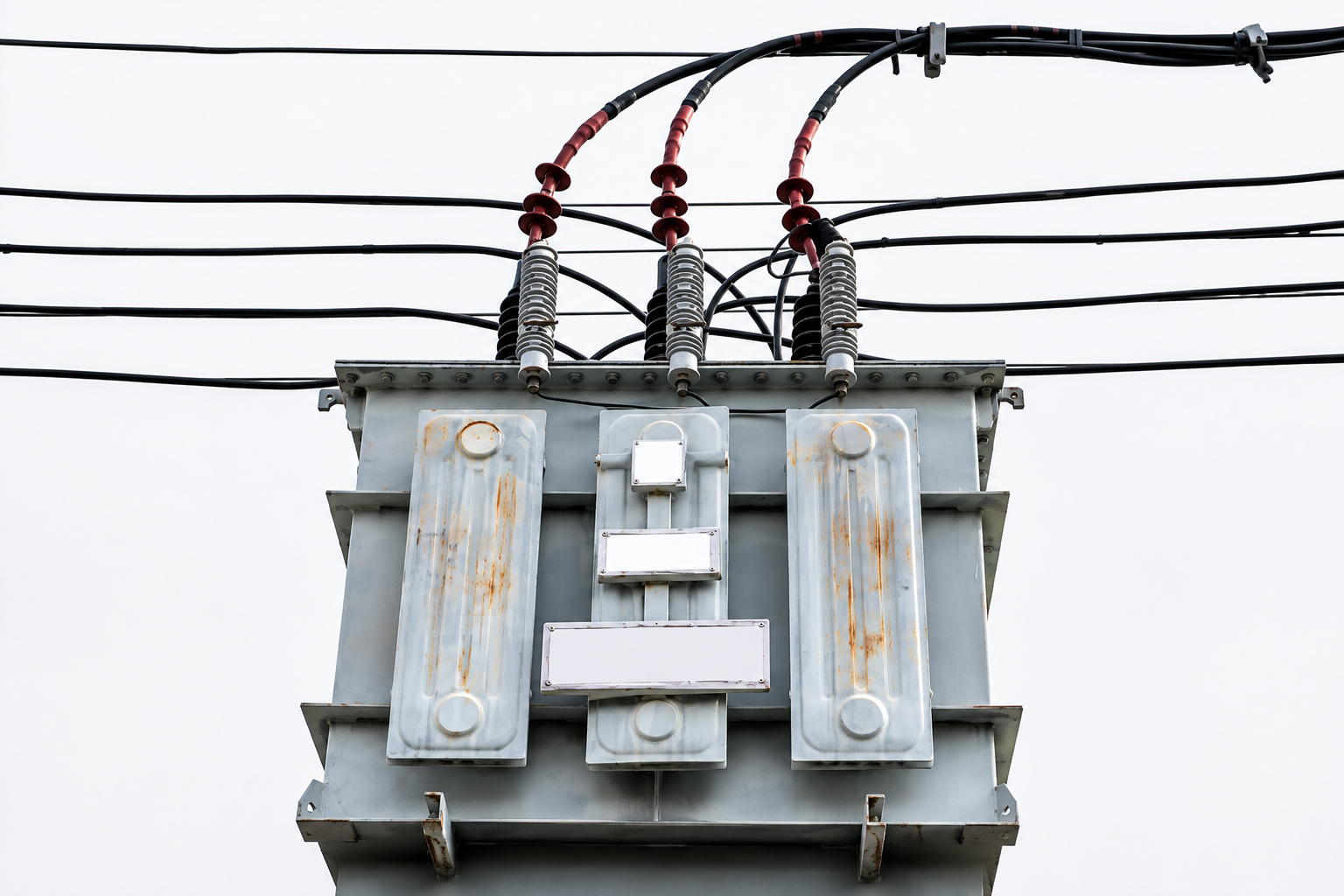
Selecting the right transformer is a critical decision for any commercial, industrial, or utility project. The equipment you choose directly affects power reliability, operational efficiency, safety, and long-term maintenance costs. A transformer that matches your electrical requirements helps ensure consistent voltage regulation while supporting current and future power demands.
Whether you are planning a new electrical installation or upgrading an existing system, understanding the essential selection criteria can prevent costly mistakes. From capacity and efficiency to environmental conditions and safety standards, every factor plays a role in determining the best solution. This guide explains the most important considerations before investing in a three phase distribution transformer and highlights how informed decisions contribute to dependable electrical performance.
Understand Your Power Requirements
Before comparing transformer models, begin by evaluating your project’s electrical load. Understanding present and future power consumption helps ensure the selected transformer operates efficiently without becoming overloaded or significantly underutilized.
A detailed load analysis should include connected equipment, expected peak demand, future expansion plans, and operating schedules. Engineers often recommend leaving additional capacity for future growth, reducing the likelihood of replacing equipment sooner than expected.
Selecting the appropriate transformer size also contributes to improved voltage regulation, reduced energy losses, and longer equipment life.
Determine the Required Capacity
Transformer capacity is generally measured in kilovolt-amperes (kVA). Choosing the proper rating requires careful calculation rather than estimation. Factors influencing capacity include:
- Total connected electrical load
- Maximum demand during peak operation
- Equipment starting currents
- Planned facility expansion
- Continuous versus intermittent operation
Proper sizing minimizes unnecessary operating costs while maintaining reliable power delivery.
Evaluate Installation Location
The installation environment significantly influences transformer performance and durability. Indoor installations often require compact designs with adequate ventilation, while outdoor applications demand equipment capable of withstanding weather exposure, moisture, dust, and temperature fluctuations.
For outdoor commercial facilities, many engineers choose a 3 phase pad mounted transformer because it provides secure ground-level installation while protecting internal components from environmental conditions.
Proper site preparation should also consider drainage, accessibility, ventilation, and maintenance clearance.
Indoor vs. Outdoor Applications
Environmental conditions determine the protective features required for reliable operation.
Indoor transformers generally emphasize:
- Ventilation
- Fire safety
- Space efficiency
- Noise reduction
Outdoor transformers require:
- Corrosion-resistant construction
- Weatherproof enclosures
- UV-resistant finishes
- Protection against water ingress
Selecting equipment designed specifically for the installation environment helps maximize service life.
Consider Energy Efficiency
Energy efficiency has become an important purchasing factor for businesses seeking lower operating costs and improved sustainability. Modern transformer designs reduce core losses and winding losses through improved materials and manufacturing techniques. Although highly efficient models may involve higher initial investment, they often deliver measurable savings throughout their operational lifespan.
Lower losses also generate less heat, reducing cooling requirements and improving equipment reliability.
When evaluating efficiency, compare no-load losses, load losses, expected operating conditions, and lifecycle performance rather than focusing solely on purchase price.
Review Voltage Requirements
Voltage compatibility is one of the most critical technical considerations. The transformer must match both the incoming primary voltage and the required secondary voltage for connected equipment. Incorrect voltage selection may result in equipment malfunction, reduced efficiency, or safety hazards.
Working closely with qualified electrical engineers ensures voltage specifications align with utility supply and operational requirements. Future system expansion should also be considered when selecting voltage configurations.
Examine Build Quality and Materials
High-quality construction contributes to dependable long-term performance. Reliable transformers typically feature premium insulation systems, durable windings, high-grade electrical steel cores, and robust protective enclosures. Manufacturing quality directly affects:
- Mechanical strength
- Thermal performance
- Voltage regulation
- Resistance to electrical stress
- Overall service life
Selecting products from experienced manufacturers often results in lower maintenance requirements over time.
Insulation System
The insulation system protects internal components from electrical breakdown and excessive temperatures. Modern insulation materials improve operational reliability while extending transformer lifespan under demanding conditions. Proper insulation also enhances safety by reducing the risk of internal faults.
Verify Compliance with Industry Standards
Industry certifications demonstrate that equipment has been designed and tested according to recognized performance and safety requirements. Depending on the project location, applicable standards may include international, national, or regional electrical regulations. Compliance helps ensure:
- Safe operation
- Reliable performance
- Consistent manufacturing quality
- Regulatory acceptance
- Easier project approvals
Review product documentation carefully before making a purchasing decision.
Consider Cooling Methods
Transformers generate heat during normal operation, making cooling an essential design feature. Common cooling methods include natural air cooling, forced air cooling, and oil-filled systems. The appropriate solution depends on installation conditions, electrical load, and operating environment. Efficient cooling contributes to:
- Stable operating temperatures
- Longer insulation life
- Improved reliability
- Reduced maintenance requirements
Selecting the proper cooling method supports consistent long-term performance.
Assess Maintenance Requirements
Routine maintenance helps maximize transformer reliability throughout its service life. When comparing equipment, consider how easily technicians can perform inspections, testing, and servicing. Maintenance planning may include:
- Visual inspections
- Thermal monitoring
- Insulation testing
- Oil analysis for liquid-filled units
- Cleaning external surfaces
- Checking electrical connections
Choosing equipment with accessible maintenance features can reduce downtime and service costs.
Think About Future Expansion
Electrical demand often increases as businesses expand operations or add new equipment.
Rather than selecting equipment solely for current requirements, consider anticipated growth over the coming years.
Planning for future capacity can:
- Delay expensive equipment replacement
- Reduce installation disruptions
- Improve long-term return on investment
- Support operational flexibility
A forward-looking approach often proves more cost-effective than frequent infrastructure upgrades.
Evaluate Safety Features
Safety remains one of the most important purchasing considerations. Modern transformers incorporate protective features designed to minimize operational risks and improve equipment reliability. Common safety features include:
- Temperature monitoring
- Pressure relief devices
- Grounding provisions
- Protective enclosures
- Overcurrent protection compatibility
Facilities operating sensitive electrical systems may also benefit from a 3 phase pad mount transformer, which offers secure enclosed construction suitable for various commercial and industrial environments.
Proper installation by qualified professionals further enhances operational safety.
Consider Environmental Conditions
Environmental factors directly affect transformer longevity.
Before selecting equipment, evaluate:
- Ambient temperature
- Humidity
- Altitude
- Dust levels
- Chemical exposure
- Flood risk
- Coastal corrosion
For demanding outdoor environments, a three phase pad mounted transformer is frequently selected because its enclosed design provides enhanced protection against weather and external contaminants. Matching equipment specifications to environmental conditions helps maintain reliable performance throughout its operational life.
Work with a Reputable Manufacturer
The manufacturer plays an important role in overall product quality and long-term support.
Beyond technical specifications, evaluate factors such as engineering expertise, manufacturing processes, warranty coverage, testing procedures, technical documentation, and after-sales service.
Reliable manufacturers typically provide comprehensive support throughout the equipment lifecycle, from selection and installation to maintenance and replacement planning.
Choosing an experienced supplier helps ensure dependable operation and easier access to technical assistance whenever required.
Conclusion
Purchasing the right three phase distribution transformer requires more than comparing specifications or initial cost. Capacity, voltage requirements, installation environment, efficiency, cooling methods, safety features, construction quality, maintenance needs, and future expansion all influence long-term performance and reliability.
Carefully evaluating these factors allows organizations to select equipment that delivers consistent power distribution, supports operational growth, and minimizes maintenance challenges. By taking a strategic approach to transformer selection, businesses can build an electrical infrastructure that remains dependable, efficient, and prepared for future demands.