In the world of industrial engine starting, the mechanical spring starter represents a triumph of mechanical engineering over electrical complexity. By storing energy in a compressed spring and releasing it on demand, this technology provides dependable engine cranking without batteries, wiring, or electrical infrastructure—making it indispensable for operations in remote, extreme, or safety-critical environments.
The Engineering Behind Spring Energy Storage
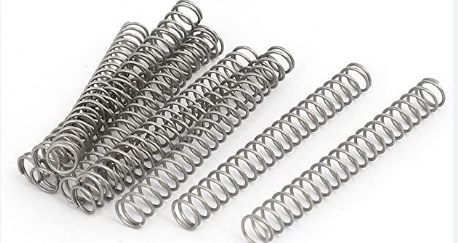
At the heart of every mechanical spring starter lies a precision-manufactured coil spring capable of storing substantial amounts of elastic potential energy. The spring material must balance hardness with flexibility—hard enough to maintain tension over thousands of cycles, yet flexible enough to withstand repeated compression and release without fatigue fracture.
High-quality spring starters use alloy steel springs that have been heat-treated to precise specifications. The metallurgical process determines the spring’s energy density, fatigue life, and operating temperature range. Getting this right is the foundation of a reliable product.
Ratchet and Pawl: The Heart of Energy Control
How the Ratchet Mechanism Works
The ratchet mechanism allows the spring to be wound incrementally while preventing it from unwinding until the release is intentionally triggered. Each click of the ratchet represents another increment of stored energy. The pawl, a spring-loaded tooth that engages the ratchet wheel, holds each increment of tension as the operator winds the unit.
Release Control
The release mechanism must be both reliable and controllable. It needs to hold the full spring tension against vibration and shock loads, then release cleanly when triggered. Most high-quality mechanical spring starters use a triggered latch mechanism that provides a positive hold and a definitive release, minimizing the risk of partial or premature discharge.
Drive Systems and Gear Design
The drive system converts the spring’s rotational energy into engine cranking torque. This typically involves a pinion gear that engages the engine’s ring gear during starting and automatically disengages after combustion. The gear ratio must be carefully selected to translate spring speed into appropriate cranking RPM while multiplying torque.
Overrunning clutch mechanisms prevent the engine from driving the spring starter backward after ignition—a common feature in electric starters that is equally important in mechanical designs. Without this protection, a starter spun by an already-running engine would suffer rapid mechanical failure.
Environmental Resistance Features
Industrial applications demand environmental protection that goes beyond standard weatherproofing:
- Sealed bearings prevent contamination from dust, dirt, and water
- Corrosion-resistant coatings protect against saltwater, chemicals, and humidity
- High-temperature lubricants maintain viscosity across temperature extremes
- Reinforced seals prevent ingress in high-pressure wash-down environments
- Non-sparking designs available for explosive atmosphere applications
Applications Requiring Mechanical Spring Starters
The most critical applications for mechanical spring starters are those where failure is simply not an option. Emergency generator systems in hospitals, data centers, and industrial facilities rely on them to start backup power instantly during grid failures. Fire suppression pump engines, where immediate response can mean the difference between a minor incident and a catastrophic loss, depend on them absolutely.
Offshore oil and gas platforms represent another high-stakes application. In this environment, electrical sparks create explosion hazards, batteries deteriorate rapidly in salt air, and starting failures can have severe economic and safety consequences. The mechanical spring starter eliminates all three concerns simultaneously.
Comparing Quality Levels
Not all mechanical spring starters offer equivalent quality. Key differentiators include the quality of the spring steel alloy, the precision of the machined components, the quality of surface treatments and coatings, the robustness of the release mechanism, and the comprehensiveness of the manufacturer’s quality testing. Choosing a reputable manufacturer with demonstrated expertise in spring starter technology is essential for applications where reliability is paramount.
Frequently Asked Questions
How do I verify a spring starter is fully wound?
Most mechanical spring starters include an indicator that shows the spring tension state. When the indicator shows full charge, the unit is ready to start. Never exceed the manufacturer’s specified maximum winding tension.
What happens if the spring breaks during operation?
Quality spring starters are designed with fail-safe features that contain a broken spring safely within the housing. Regular inspection can identify spring fatigue before failure occurs.
Can mechanical spring starters be rebuilt?
Yes. Most manufacturers offer rebuild kits and factory refurbishment services that restore the unit to like-new performance. This extends the useful life significantly and provides better economics than replacement.
Conclusion
The mechanical spring starter is more than just an alternative to electric starting—it is often the superior choice for demanding applications. Its engineering elegance, mechanical independence, and proven field reliability make it an investment in operational continuity. For any application where starting failure is unacceptable, the mechanical spring starter delivers the assurance that only proven engineering can provide.