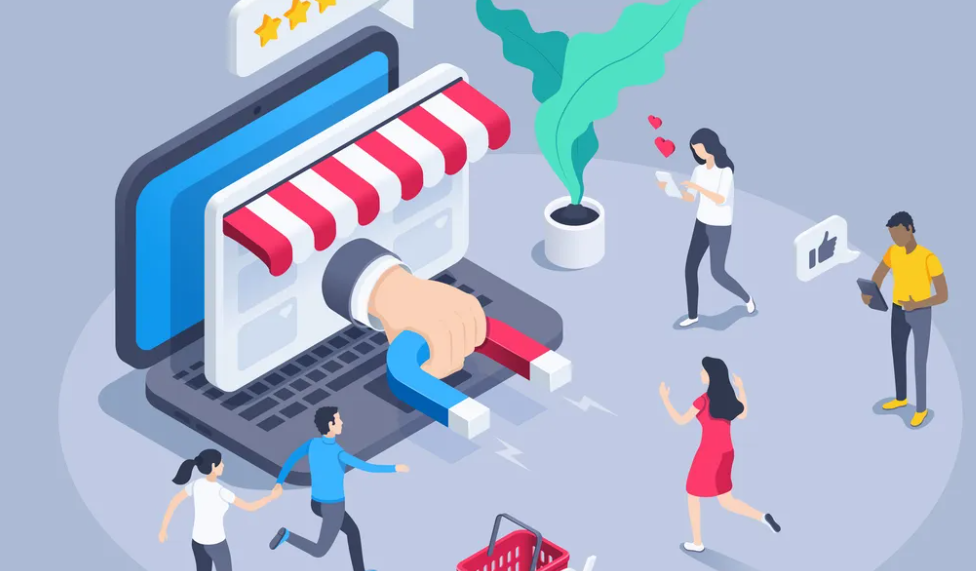
In a fast-moving economy, Advertise your business not only on price or quality but also on visibility. Customers cannot choose what they cannot see. Whether a company is new or well-established, promotion plays a major role in shaping public awareness and trust. Modern marketing is no longer about loud messaging alone. It is about relevance, timing, and consistency. Brands that understand this reality build stronger connections, generate steady leads, and achieve long-term growth even in crowded markets.
How Consumer Expectations Have Changed
Today’s consumers are informed and selective. Before making a purchase, they search online, read reviews, and compare options across multiple platforms. This behavior means businesses must be present during the research phase, not just at the moment of sale. Visibility early in the decision process creates familiarity, which strongly influences final choices. When customers repeatedly encounter a brand across trusted channels, confidence grows naturally.
Another shift is the demand for transparency. Customers expect clear information, honest messaging, and real value. Overpromising and underdelivering quickly damage credibility. Promotion now works best when it educates and reassures rather than pressures. Businesses that align marketing with genuine value gain loyalty instead of short-term attention.
Digital Presence as a Growth Foundation
A strong digital presence is no longer optional. Search engines, social platforms, and business listings act as the first impression for most customers. Appearing in relevant searches allows businesses to reach users with real intent. Social platforms extend reach by encouraging engagement and conversation. Business profiles and reviews provide social proof that influences trust.
The advantage of digital channels lies in measurability. Performance can be tracked in real time, allowing businesses to adjust strategies based on results. This flexibility reduces waste and increases efficiency. Over time, consistent digital visibility compounds, making customer acquisition easier and more predictable.
See also: How Technology Influences Society
The Role of Local Marketing in Building Trust
While digital reach is powerful, local marketing remains essential for many businesses. Customers often prefer nearby providers because they associate proximity with reliability and convenience. Local visibility builds a sense of familiarity that large brands struggle to replicate. Appearing in map results, directories, and community searches increases credibility instantly.
Beyond online tools, community involvement strengthens reputation. Supporting local events, collaborating with nearby businesses, and maintaining a positive local presence create emotional connections. These relationships encourage repeat business and word-of-mouth referrals, which are among the most trusted forms of promotion.
Budget Awareness and Smart Resource Use
Not all businesses have large marketing budgets, but smart promotion does not depend on spending heavily. Strategic focus matters more than scale. Choosing the right channels, refining messaging, and maintaining consistency often deliver stronger results than spreading resources too thin.
Organic methods such as content creation, customer referrals, and social engagement provide lasting value. When combined with small, targeted paid campaigns, they create balance. Businesses that monitor performance and adjust spending gradually gain better control over outcomes and avoid unnecessary losses.
Content as a Long-Term Asset
Content has become one of the most effective tools in modern marketing. Articles, videos, and guides help customers understand products and services while positioning businesses as trusted sources. Unlike traditional ads, content continues to work long after it is published. It attracts traffic, answers questions, and supports decision-making without constant investment.
Educational content builds authority. When customers find helpful information, they associate expertise with the brand behind it. Over time, this trust translates into inquiries, conversions, and loyalty. Businesses that invest in quality content create assets that strengthen their marketing foundation.
Messaging Consistency and Brand Identity
Clear and consistent messaging is critical. Customers should immediately understand what a business offers and why it matters. Inconsistent branding across platforms confuses audiences and weakens recognition. Strong brands maintain the same tone, values, and promises everywhere they appear.
Effective messaging focuses on benefits rather than features. It speaks to customer needs and explains solutions in simple language. When communication feels human and relatable, engagement increases. Consistency reinforces memory, making brands easier to recall when purchase decisions arise.
Challenges That Limit Marketing Success
Many businesses struggle with promotion because of unclear goals. Without defined objectives, efforts become scattered and ineffective. Another common issue is impatience. Marketing results often take time, especially when building trust. Stopping too early prevents momentum from developing.
Ignoring feedback also limits success. Customer reviews, engagement data, and inquiries reveal valuable insights. Businesses that adapt based on real responses outperform those that rely on assumptions. Continuous improvement is essential in a competitive environment.
Measuring Impact and Performance
Effective marketing focuses on outcomes, not just exposure. Metrics such as leads, inquiries, conversions, and customer retention show real value. Tracking these indicators helps businesses understand what works and what needs improvement. Data transforms promotion from guesswork into a strategic process.
Return on investment is a key measure of success. When marketing generates more value than it costs, it becomes a growth driver rather than an expense. Over time, optimized strategies reduce acquisition costs and increase profitability.
Creating a Sustainable Marketing Approach
Short-term campaigns can create spikes in attention, but sustainable growth requires consistency. Businesses should aim to build long-term visibility rather than relying on one-time efforts. A balanced approach combines digital presence, local engagement, content creation, and performance analysis.
When businesses Advertise your business with a clear strategy and realistic expectations, they build a system that supports steady growth. This system adapts to market changes while maintaining core brand values.
Frequently Asked Questions
How important is marketing for small businesses?
Marketing is essential for small businesses because it increases visibility, attracts customers, and helps compete with larger brands.
Can organic marketing really deliver results?
Yes, organic methods such as content, referrals, and local visibility provide long-term value and build trust over time.
How long does it take to see marketing results?
Some results appear quickly, but trust-based growth often requires consistent effort over several months.
What causes marketing strategies to fail?
Lack of focus, inconsistent messaging, ignoring data, and stopping too early are common reasons for failure.
Final Thoughts
Marketing is not just about promotion. It is about connection, trust, and relevance. Businesses that focus on understanding their audience and delivering consistent value achieve stronger results. When done thoughtfully, marketing becomes a reliable engine for growth rather than a recurring challenge. Brands that Advertise your business strategically position themselves for long-term success in an increasingly competitive marketplace.