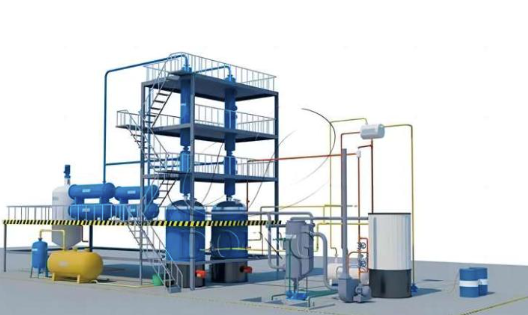
Industrial operations produce significant amounts of waste oil, which, if not managed properly, can pose serious environmental hazards. A waste oil refinery plant provides a solution by transforming this waste into usable products like base oil and diesel, reducing pollution and creating economic benefits for businesses.
What is a Waste Oil Refinery Plant?
A waste oil refinery plant is a facility that processes used oil through advanced techniques such as filtration, heating, and distillation. The goal is to recover valuable oil while eliminating contaminants, ensuring that industries can operate sustainably and cost-effectively.
Key Features of Waste Oil Refinery Plants
Modern plants are designed for efficiency and environmental compliance. Some key features include:
- Filtration Systems – Remove solids, sludge, and other impurities.
- Distillation Units – Recover high-quality base oil and diesel fractions.
- Automated Controls – Monitor temperature, pressure, and flow for consistent results.
- Energy Efficiency – Reduce electricity consumption without compromising output.
- Scalable Design – Suitable for small, medium, or large industrial setups.
Applications Across Industries
A waste oil refinery plant has broad applications:
- Automotive Workshops – Recycle engine oils for reuse.
- Industrial Manufacturing – Recover oils from machinery and production lines.
- Power and Energy Plants – Convert waste oil into diesel to support operations.
- Marine Operations – Safely refine oils from ships and heavy equipment.
By implementing these plants, companies not only save costs but also improve their environmental footprint.
Advantages of Using a Waste Oil Refinery Plant
- Cost Efficiency – Lower dependency on fresh oil and reduced disposal costs.
- Operational Reliability – Durable machinery ensures smooth, uninterrupted operations.
- Sustainability – Converts hazardous waste into reusable products.
- Regulatory Compliance – Meets environmental and safety standards.
Components of a Typical Refinery Plant
A standard plant typically includes:
- Collection and storage tanks for used oil
- Pre-treatment and filtration systems
- Heating and distillation units
- Cooling and storage systems
- Automated control panels
These components work together to ensure efficient and safe processing of waste oil.
See also: How Technology Is Reshaping Human Behavior
Environmental Benefits
Used oil contains harmful chemicals and heavy metals. Improper disposal can contaminate soil and water, causing long-term damage. By refining waste oil:
- Toxic elements are removed or converted
- Recovered oil reduces reliance on new oil production
- Industries contribute to sustainable practices and lower carbon emissions
Technological Innovations
Modern waste oil refinery plants often incorporate:
- Automated monitoring systems for precise control
- Energy-saving technologies to reduce operating costs
- Advanced filtration methods for cleaner, high-quality output
These innovations ensure efficiency, sustainability, and consistent results.
Conclusion
Investing in a waste oil refinery plant is essential for industries seeking sustainability and operational efficiency. By converting waste oil into reusable products, businesses reduce environmental hazards, optimize resources, and save costs. Selecting a high-quality plant ensures long-term reliability, regulatory compliance, and sustainable operations, making it a valuable addition to any industrial setup.
Frequently Asked Questions (FAQs)
1. What types of oil can a waste oil refinery plant process?
It can process engine oils, industrial lubricants, and other waste oils to produce base oil or diesel.
2. How do I choose a reliable waste oil refinery plant?
Evaluate manufacturer experience, technical support, plant scalability, and environmental compliance.
3. What are the benefits of installing a waste oil refinery plant?
Benefits include cost savings, operational efficiency, environmental sustainability, and high-quality recovered oil.