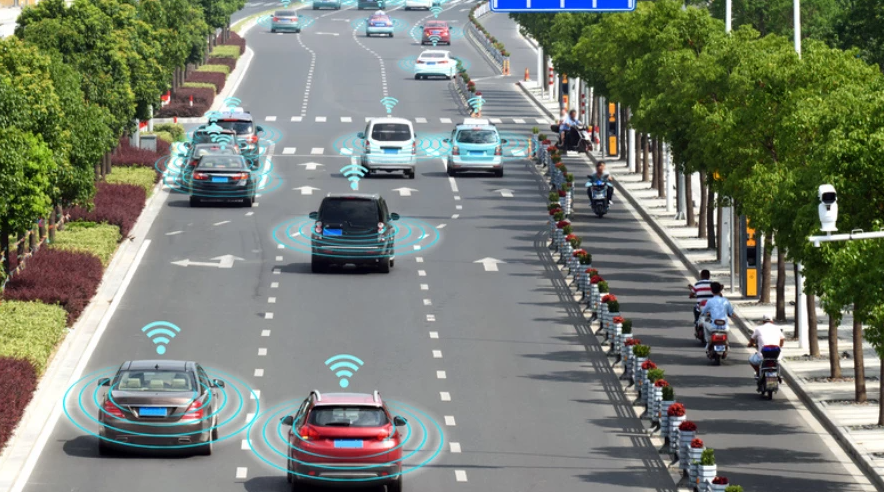
Technology is fundamentally altering transportation systems worldwide. Innovations such as autonomous vehicles and electric mobility are reshaping how individuals and goods move. Smart infrastructure enhances connectivity and traffic management, while ride-sharing services introduce new dynamics in urban travel. However, these advancements also pose significant challenges regarding safety, ethics, and privacy. Understanding the implications of these technologies is crucial for navigating the future landscape of transportation. What factors will determine their success and sustainability?
The Rise of Autonomous Vehicles
As technology continues to evolve, the emergence of autonomous vehicles represents a significant paradigm shift in transportation.
These vehicles raise critical safety regulations and ethical considerations, challenging existing frameworks. The potential for reduced accidents and increased mobility must be weighed against privacy concerns and algorithmic biases.
As society navigates these complexities, the pursuit of freedom in transportation must align with responsible technological integration.
Electric Mobility and Sustainable Innovations
While traditional fossil fuel-powered vehicles have dominated the transportation landscape for over a century, the transition to electric mobility signifies a pivotal shift toward sustainable innovations.
Electric scooters exemplify this evolution, offering efficient urban travel options. Advances in battery technology enhance range and charging capabilities, making electric mobility increasingly viable.
This shift not only reduces carbon footprints but also empowers individuals seeking environmentally conscious transportation alternatives.
See also: How Technology Influences Society
Smart Infrastructure and Connectivity
Smart infrastructure and connectivity are revolutionizing the transportation landscape by integrating advanced technologies that enhance efficiency and safety.
The implementation of smart traffic systems, driven by connected sensors, facilitates real-time data exchange, optimizing traffic flow and reducing congestion.
This synergy not only promotes environmental sustainability but also empowers individuals with greater freedom to navigate urban spaces, fostering a more interconnected society.
Impact of Ride-Sharing and Mobility Services
The evolution of smart infrastructure and connectivity has paved the way for the rise of ride-sharing and mobility services, fundamentally altering urban transportation dynamics.
These innovations enhance ride-sharing dynamics by optimizing routes and reducing congestion. Furthermore, mobility services promote accessibility, enabling users to navigate urban landscapes with greater freedom.
This shift not only redefines personal travel but also impacts urban planning and environmental sustainability.
Conclusion
In conclusion, the transformative tide of technology is reshaping transportation, fostering futuristic frameworks that promise enhanced efficiency and eco-friendliness. As autonomous advancements, electric enterprises, and smart systems synergize, society stands at a significant crossroads, where safety, sustainability, and societal equity must be meticulously managed. The delicate dance of innovation and regulation will ultimately dictate the trajectory of transportation’s future, ensuring that progress is both purposeful and pervasive in promoting a greener, more accessible world.