Introduction to Eco Friendly Cleaning Solutions
Sustainability has become an essential consideration in modern households, especially when it comes to daily cleaning practices. Traditional cleaning tools, particularly synthetic sponges, often contribute to environmental waste due to their non biodegradable composition and short lifespan. As awareness grows, more individuals are turning toward eco conscious alternatives that align with sustainable living goals.
One such innovation is the eco sponge, a simple yet impactful product designed to reduce waste while maintaining effective cleaning performance. By replacing conventional sponges with biodegradable and reusable options, households can significantly minimize their environmental footprint without compromising hygiene or efficiency.
For those exploring sustainable cleaning tools, products like eco sponge offer a practical starting point toward greener habits.
What is an Eco Sponge
Definition and Composition
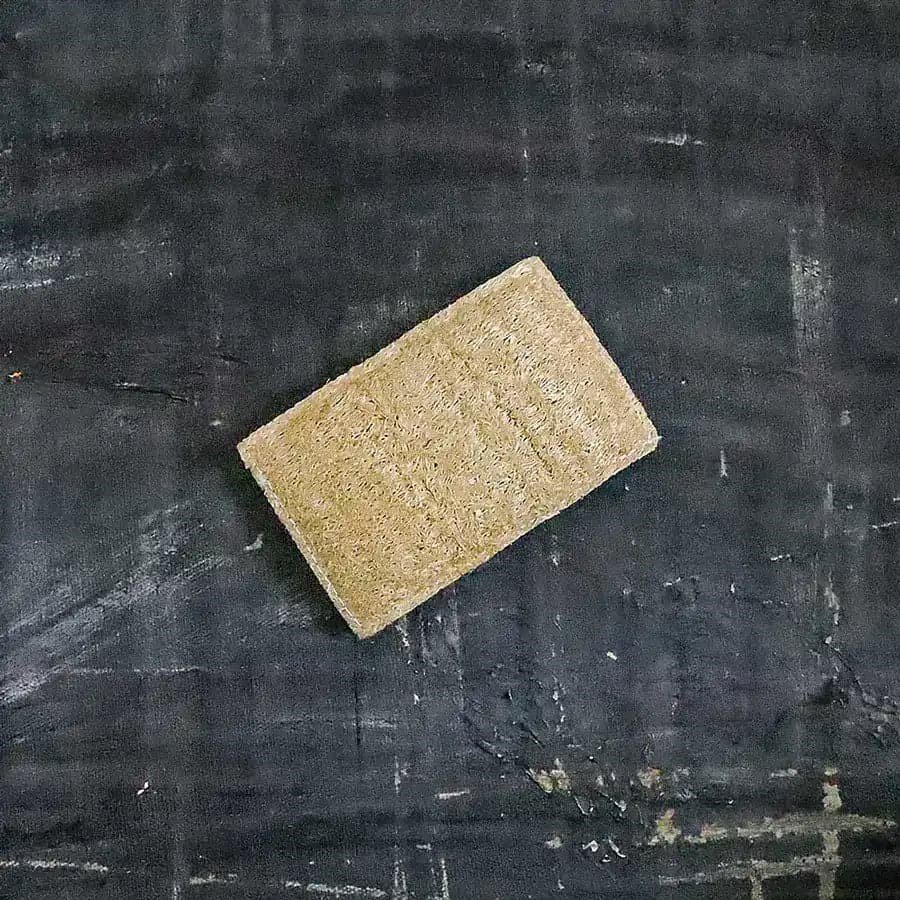
An eco sponge is a cleaning tool made from natural, renewable, or recycled materials. Unlike traditional sponges that are typically made from petroleum based plastics, eco sponges are designed to break down naturally after disposal.
Common materials used in eco sponges include plant fibers, cellulose derived from wood pulp, coconut husk fibers, and loofah. These materials are not only biodegradable but also free from harmful chemicals, making them safer for both users and the environment.
Key Characteristics
Eco sponges are known for their durability, absorbency, and gentle abrasiveness. They effectively remove dirt, grease, and food residue without scratching surfaces. Additionally, they are often designed to be compostable, meaning they can return to the earth without leaving harmful residues.
Why Traditional Sponges Are Harmful
Environmental Impact
Conventional sponges are typically made from synthetic materials such as polyurethane. These materials do not decompose easily and can remain in landfills for years. Over time, they break down into microplastics, which contribute to environmental pollution.
The production of synthetic sponges also involves the use of non renewable resources and energy intensive processes, further increasing their environmental impact.
Hygiene Concerns
Traditional sponges tend to trap moisture and food particles, creating an ideal environment for bacterial growth. While eco sponges can also harbor bacteria if not maintained properly, their natural fibers often allow for better airflow and quicker drying, reducing the risk of contamination.
Benefits of Using an Eco Sponge
Environmentally Friendly
Eco sponges are designed with sustainability in mind. Their biodegradable nature ensures that they do not contribute to long term waste. Choosing such products helps reduce landfill accumulation and supports eco friendly manufacturing practices.
Safe and Non Toxic
Many eco sponges are free from synthetic dyes, chemicals, and additives. This makes them safer for use in kitchens and households, especially when cleaning dishes, utensils, and surfaces that come into contact with food.
Durable and Cost Effective
Despite being made from natural materials, eco sponges are often highly durable. With proper care, they can last as long as or even longer than traditional sponges. This reduces the frequency of replacement, making them a cost effective choice over time.
Versatile Usage
Eco sponges can be used for a wide range of cleaning tasks, including dishwashing, countertop cleaning, and even bathroom maintenance. Their adaptability makes them a valuable addition to any household.
Types of Eco Sponges
Cellulose Sponges
Made from plant based cellulose, these sponges are soft, absorbent, and ideal for general cleaning tasks. They are one of the most common types of eco sponges and are widely available.
Loofah Sponges
Derived from the fibrous interior of the loofah plant, these sponges offer natural exfoliation and scrubbing power. They are particularly effective for removing stubborn dirt and grime.
Coconut Fiber Sponges
These sponges are made from coconut husk fibers, which provide excellent scrubbing capabilities. They are durable and resistant to wear, making them suitable for heavy duty cleaning.
Bamboo Based Sponges
Bamboo fibers are known for their antibacterial properties and sustainability. Sponges made from bamboo are both eco friendly and highly functional.
For more sustainable household solutions, platforms like Plantish Future showcase a variety of eco conscious products designed for modern living.
How to Choose the Right Eco Sponge
Consider Material Composition
The material of the sponge plays a crucial role in its performance and environmental impact. Choose sponges made from natural and biodegradable materials that align with your cleaning needs.
Evaluate Durability
A good eco sponge should be able to withstand regular use without breaking down quickly. Look for products that maintain their structure and effectiveness over time.
Check for Compostability
Some eco sponges are fully compostable, while others may only be partially biodegradable. Understanding the disposal process helps ensure that the product truly supports sustainability.
Assess Cleaning Needs
Different types of eco sponges are suited for different tasks. Soft cellulose sponges are ideal for delicate surfaces, while coconut or loofah sponges are better for scrubbing tough stains.
Proper Care and Maintenance
Regular Cleaning
To maintain hygiene, eco sponges should be cleaned regularly. This can be done by rinsing thoroughly after each use and allowing them to dry completely.
Sanitization Methods
Eco sponges can be sanitized using natural methods such as soaking in hot water or using mild cleaning solutions. This helps eliminate bacteria and prolong the sponge’s lifespan.
Storage Tips
Proper storage is essential to prevent moisture buildup. Keep the sponge in a well ventilated area where it can dry quickly between uses.
Replacement Guidelines
Even though eco sponges are durable, they should be replaced once they show signs of wear or reduced effectiveness. Proper disposal through composting ensures minimal environmental impact.
Comparing Eco Sponges with Traditional Options
Performance
Eco sponges perform just as effectively as traditional sponges in most cleaning tasks. Their natural fibers provide adequate scrubbing power while remaining gentle on surfaces.
Environmental Impact
The biggest advantage of eco sponges lies in their reduced environmental footprint. Unlike synthetic sponges, they decompose naturally and do not contribute to plastic pollution.
Cost Considerations
While eco sponges may have a slightly higher initial cost, their durability and sustainability make them a worthwhile investment in the long run.
Role of Eco Sponges in Sustainable Living
Reducing Household Waste
Switching to eco sponges is a simple yet impactful step toward reducing household waste. Small changes in daily habits can collectively make a significant difference in environmental conservation.
Supporting Ethical Production
Many eco sponge manufacturers prioritize ethical sourcing and sustainable production methods. By choosing such products, consumers support responsible business practices.
Encouraging Conscious Consumption
Using eco friendly products promotes awareness and encourages more mindful purchasing decisions. This shift in mindset contributes to a more sustainable lifestyle overall.
Common Misconceptions About Eco Sponges
They Are Less Effective
A common misconception is that eco sponges do not clean as well as synthetic ones. In reality, they are designed to provide comparable performance while being environmentally friendly.
They Do Not Last Long
Many people assume that natural materials break down quickly. However, high quality eco sponges are built to last and can handle regular use with proper care.
They Are Expensive
Although the upfront cost may be slightly higher, the long term benefits and durability of eco sponges often offset the initial investment.
Tips for Transitioning to Eco Friendly Cleaning
Start Small
Replacing one cleaning tool at a time makes the transition easier and more manageable. Switching to an eco sponge is a great first step.
Combine with Other Sustainable Products
Pairing eco sponges with natural cleaning solutions enhances their effectiveness and further reduces environmental impact.
Stay Consistent
Consistency is key to achieving long term sustainability. Regular use of eco friendly products helps establish lasting habits.
For those ready to make the switch, options like eco friendly dish sponge provide an easy and effective way to begin.
Conclusion
Eco sponges represent a practical and sustainable alternative to traditional cleaning tools. By combining functionality with environmental responsibility, they offer a simple way to reduce waste and support greener living practices. Their biodegradable materials, durability, and versatility make them a valuable addition to any household.
Adopting eco sponges is not just about improving cleaning routines but also about making conscious choices that benefit the environment. Small changes in everyday habits can lead to meaningful progress toward sustainability, and eco sponges are a step in the right direction.