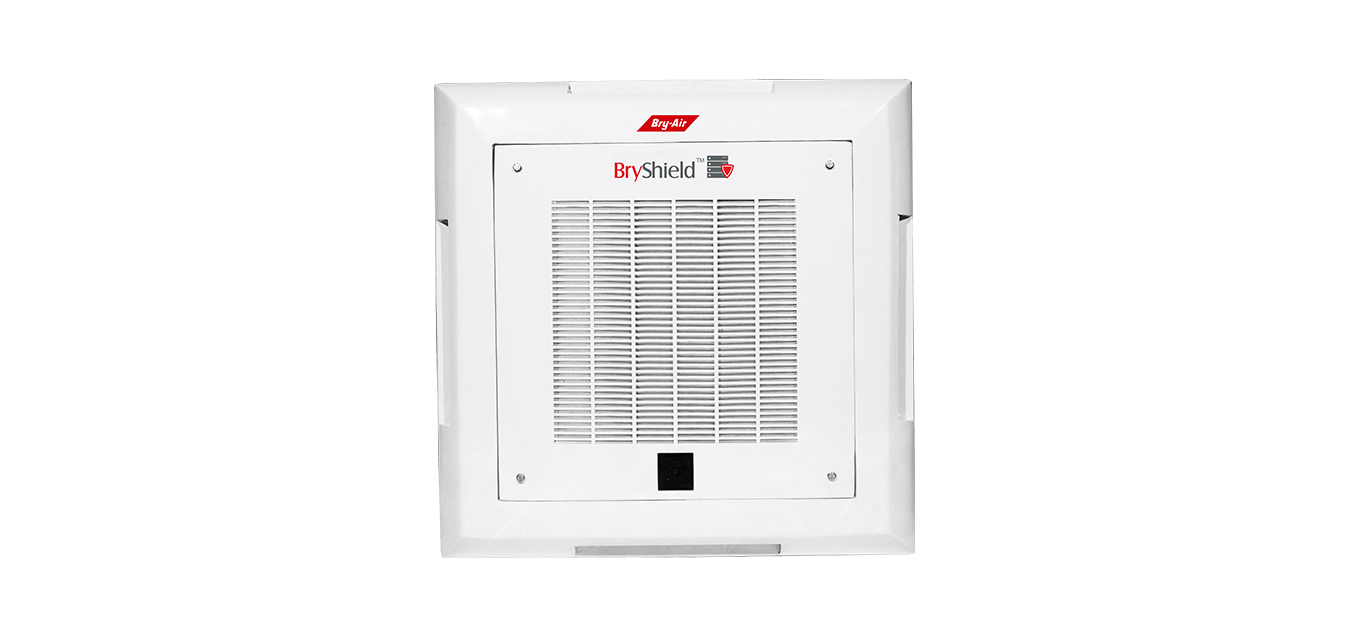
Air quality plays a vital role in maintaining the performance, safety, and longevity of equipment in controlled environments such as data centers, laboratories, and industrial facilities. Airborne contaminants, including corrosive gases and chemical pollutants, can cause significant damage if not properly managed. This is where advanced solutions like a Chemical Filter become essential for ensuring clean and safe air.
Unlike conventional air filters that primarily capture dust and particulate matter, chemical filters are specifically designed to remove harmful gases and molecular contaminants. These pollutants are often invisible but can have a serious impact on sensitive equipment and processes. By eliminating these contaminants, chemical filtration systems help maintain optimal environmental conditions.
The growing reliance on electronic systems and precision equipment has increased the need for advanced air purification technologies. Chemical filters provide an effective solution for protecting infrastructure and ensuring uninterrupted operations in environments where air quality is critical.
What Types of Contaminants Affect Air Quality
Corrosive Gases and Their Impact
Corrosive gases such as sulfur compounds, nitrogen oxides, and volatile organic compounds can pose a serious threat to equipment and infrastructure. These gases can react with metal surfaces, leading to corrosion and degradation over time. This is particularly problematic in environments with high concentrations of pollutants.
In facilities like data centers, even small amounts of corrosive gases can damage circuit boards and electronic components. This can result in system failures, increased maintenance costs, and potential data loss. Controlling these contaminants is essential for maintaining system reliability.
Molecular Contaminants in Sensitive Environments
Molecular contaminants are often too small to be captured by standard filtration systems. These include chemical vapors and gases that can interfere with sensitive processes. In laboratories and manufacturing facilities, these contaminants can affect product quality and accuracy.
Chemical filtration systems are designed to target these microscopic pollutants, ensuring that the air remains clean and safe. This level of precision is essential for maintaining high standards in critical environments.
How Chemical Filters Work
Adsorption and Filtration Technology
Chemical filters use advanced adsorption technology to remove harmful gases from the air. This process involves passing contaminated air through a specialized filtration medium that captures and neutralizes chemical pollutants. The filtration medium is engineered to target specific types of contaminants, ensuring effective removal.
The efficiency of the system depends on the quality and composition of the filtration material. By using high-performance Chemical Media, these filters can achieve superior results in eliminating harmful substances.
Continuous Air Purification
Chemical filtration systems are designed for continuous operation, providing consistent air purification in demanding environments. They can handle large volumes of air while maintaining high efficiency, ensuring that air quality remains stable over time.
This continuous operation is essential for environments where even temporary exposure to contaminants can have serious consequences. Reliable filtration ensures uninterrupted protection and performance.
Benefits of Using Chemical Filters
Protection of Equipment and Infrastructure
One of the primary benefits of chemical filters is their ability to protect sensitive equipment from damage caused by corrosive gases. By removing harmful contaminants, these systems help extend the lifespan of equipment and reduce the need for frequent maintenance.
This protection is particularly important in data centers and industrial facilities where equipment reliability is critical. Preventing corrosion ensures that systems operate efficiently and without interruption.
Improved Air Quality and Safety
Chemical filters significantly improve indoor air quality by eliminating harmful gases and pollutants. This creates a safer environment for both equipment and personnel. Clean air supports better working conditions and reduces the risk of health issues associated with exposure to contaminants.
Maintaining high air quality is essential for meeting regulatory standards and ensuring compliance with safety guidelines.
Enhanced Operational Efficiency
By maintaining a clean and controlled environment, chemical filters contribute to improved operational efficiency. Equipment performs more reliably, and processes run smoothly without interruptions caused by contamination.
Reduced downtime and maintenance requirements lead to increased productivity and cost savings. This makes chemical filtration a valuable investment for businesses seeking long-term efficiency.
Applications of Chemical Filters in Various Industries
Data Centers and Server Rooms
Data centers require precise environmental control to ensure the reliability of their systems. Chemical filters help protect sensitive electronic components from corrosive gases, ensuring uninterrupted operation.
Maintaining clean air in server rooms is essential for preventing equipment failure and ensuring data security.
Industrial and Manufacturing Facilities
In industrial environments, chemical contaminants can affect both equipment and production processes. Chemical filters help maintain a clean atmosphere, ensuring that operations run efficiently and safely.
This is particularly important in industries where air quality directly impacts product quality and process accuracy.
Laboratories and Research Facilities
Laboratories require controlled environments to ensure accurate results and safe operations. Chemical filters help remove harmful gases and maintain a stable atmosphere, supporting research and experimentation.
Clean air is essential for maintaining the integrity of scientific processes and ensuring reliable outcomes.
Key Considerations When Choosing Chemical Filters
Type of Contaminants
Different environments have different types of contaminants. Selecting the right chemical filter depends on identifying the specific pollutants present in the air. This ensures that the filtration system is effective in removing targeted substances.
Understanding the nature of contaminants helps in choosing the appropriate filtration media and system configuration.
Filtration Efficiency and Capacity
The efficiency of a chemical filter is determined by its ability to remove contaminants effectively. High-capacity systems are suitable for large facilities, while smaller systems may be used for specific applications.
Choosing a system with the right capacity ensures optimal performance and consistent air quality.
Maintenance and Longevity
Regular maintenance is essential for ensuring the effectiveness of chemical filters. Over time, the filtration media may become saturated and require replacement. Systems that are easy to maintain help reduce downtime and ensure continuous operation.
Durable and reliable systems provide long-term benefits and support consistent performance.
Conclusion
Chemical filters are a critical component in maintaining air quality and protecting infrastructure in environments where contamination can have serious consequences. By removing harmful gases and molecular pollutants, these systems help ensure the safety, efficiency, and reliability of operations across various industries.
From data centers to industrial facilities, the importance of advanced air filtration continues to grow as technology and environmental standards evolve. Implementing a high-quality chemical filtration system provides long-term benefits, including improved equipment lifespan, enhanced air quality, and reduced operational costs.
For organizations looking to enhance their air quality management systems, choosing the right filtration solution is essential. To explore available options and receive expert guidance, visit the Contact Us page and connect with professionals who can help you select the most suitable system for your specific requirements.