With the rapid expansion of telecommunication networks worldwide, protecting critical equipment has never been more important. A telecom cabinet serves as the backbone of network infrastructure, housing routers, switches, servers, and other electronic equipment while ensuring operational safety and reliability.
From outdoor fiber networks to enterprise communication systems, telecom cabinets provide the necessary protection and organization required for modern telecommunication operations.
What Is a Telecom@ Cabinet?
A telecom cabinet is a specialized enclosure designed to house and protect telecommunication equipment. These cabinets are built to safeguard electronic devices from environmental hazards, unauthorized access, and physical damage.
Key characteristics include:
- Robust construction for durability
- Lockable doors for security
- Ventilation systems for temperature management
- Compatibility with standard telecom racks and equipment
Telecom cabinets are essential for both indoor and outdoor telecommunication deployments.
Advantages of Using a Telecom Cabinet
Protection of Equipment
Telecom cabinets protect sensitive network equipment from dust, moisture, and accidental impacts. This ensures uninterrupted operation and extends the lifespan of expensive electronic devices.
Security and Access Control
Equipped with lockable doors and tamper-resistant designs, telecom cabinets prevent unauthorized access, reducing the risk of theft or data breaches.
Organization and Space Management
Telecom cabinets help organize equipment efficiently, minimizing clutter and simplifying maintenance. Proper arrangement of cables, servers, and routers improves accessibility and troubleshooting efficiency.
Environmental Management
Outdoor and indoor cabinets often feature ventilation, cooling systems, and weatherproof designs to maintain optimal operating conditions for the equipment housed within.
Types of Telecom Cabinets
Indoor Telecom Cabinets
Indoor cabinets are designed for office environments, data centers, or controlled indoor facilities. They typically feature:
- Compact designs for space optimization
- Standard 19-inch rack compatibility
- Ventilation or fan systems for temperature control
Outdoor Telecom Cabinets
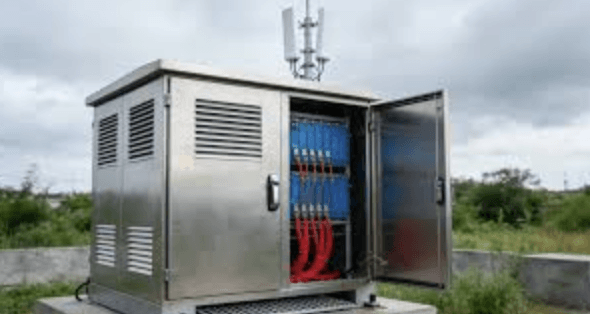
Outdoor telecom cabinets are built to withstand harsh environmental conditions, including rain, dust, and extreme temperatures. Features include:
- Weatherproof construction
- IP-rated protection such as IP55 for dust and water resistance
- UV-resistant coating for long-term durability
- Optional climate control or cooling systems
Specialized Telecom Cabinets
Certain telecom cabinets are designed for specific applications, such as fiber optic networks, wireless base stations, or industrial communications. These models often include:
- Custom racks and mounting systems
- Enhanced security features
- Advanced cooling or thermal management solutions
Applications of Telecom Cabinets
Telecommunications Networks
Telecom cabinets are essential for housing switches, routers, and fiber optic termination points in large-scale communication networks, ensuring smooth operation and minimal downtime.
Data Centers
Data centers rely on telecom cabinets to organize servers, networking devices, and cabling, maintaining a controlled environment for high-performance computing.
Industrial and Utility Networks
Manufacturing plants, energy distribution networks, and industrial automation systems use telecom cabinets to protect critical communication and control equipment.
Outdoor Fiber and Wireless Deployments
In outdoor fiber optic or wireless networks, telecom cabinets safeguard infrastructure against weather, physical damage, and vandalism while providing organized mounting solutions.
Features to Consider When Choosing a Telecom Cabinet
When selecting a telecom cabinet, consider the following factors:
- Material and Durability: Steel or aluminum construction for strength and longevity
- Size and Capacity: Sufficient space for current and future equipment
- Environmental Protection: IP ratings, weatherproofing, and UV resistance for outdoor use
- Cooling and Ventilation: Proper airflow or active cooling for high-density equipment
- Security: Lockable doors and tamper-proof designs
Choosing a high-quality telecom cabinet ensures protection, organization, and operational reliability.
Innovations in Telecom Cabinets
Modern telecom cabinets incorporate technological advancements such as:
- Smart climate control systems for temperature and humidity monitoring
- Integrated cable management solutions
- Modular designs for easy expansion and customization
- Advanced locking and access control systems
These innovations improve efficiency, equipment lifespan, and network reliability.
See also: Accounting Service HK: A Complete Solution for Business Financial Management
Frequently Asked Questions (FAQ)
1. What is a telecom cabinet used for?
A telecom cabinet is used to house and protect telecommunication equipment, including switches, routers, servers, and fiber optic devices.
2. What is the difference between indoor and outdoor telecom cabinets?
Indoor cabinets are designed for controlled environments, while outdoor cabinets are weatherproof, UV-resistant, and often include IP-rated protection to withstand environmental hazards.
3. How do telecom cabinets protect sensitive equipment?
They provide physical protection, security from unauthorized access, environmental control (ventilation or cooling), and organize equipment to prevent damage from clutter or mishandling.
Conclusion
Telecom cabinets are vital for maintaining reliable and secure network infrastructure. Whether deployed in indoor data centers or outdoor fiber networks, these cabinets ensure that critical telecommunication equipment is protected from environmental hazards, organized efficiently, and maintained securely. Investing in a high-quality telecom cabinet enhances operational efficiency, safeguards sensitive equipment, and supports long-term network reliability for modern communication systems.