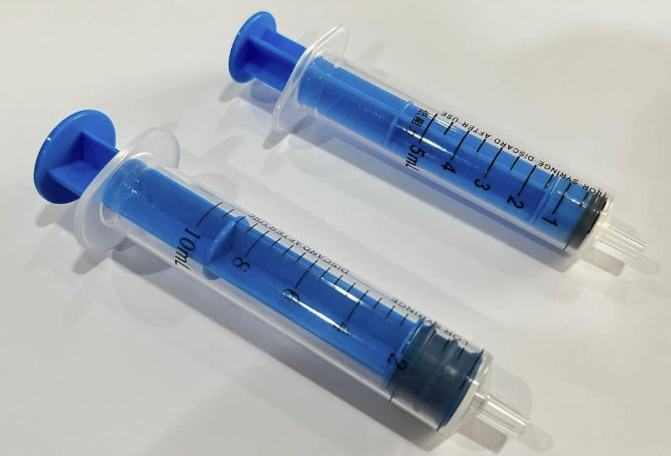
Syringes are indispensable tools in modern healthcare, used for administering medications, withdrawing fluids, and performing medical procedures. Understanding the types of syringes and their specific uses ensures precise treatment and patient safety.
What Are the Types of Syringes?
Syringes are classified based on size, design, and functionality. Selecting the appropriate type is critical for accurate dosing, patient comfort, and clinical efficiency.
Key Components of a Syringe
- Barrel: Holds the fluid or medication.
- Plunger: Pushes or pulls fluid in and out of the barrel.
- Tip: Can be Luer lock, Luer slip, or catheter tip for connection to other medical devices.
- Needle: Optional, depending on the procedure.
For detailed information on various syringe options, healthcare professionals can consult types of syringes resources.
Common Syringe Types and Their Applications
1. Standard Syringes
Used for general injections, fluid withdrawal, and common medical procedures. Ideal for routine medication administration.
2. Insulin Syringes
Designed for precise insulin dosing. Fine needles reduce discomfort, especially in diabetic care.
3. Luer Lock Syringes
Provide secure connections, minimizing the risk of leaks during administration or connection to IV sets.
See also: Villa Deep Cleaning Services Dubai: Keep Your Home Spotless and Healthy
4. Catheter Tip Syringes
Used to deliver fluids through feeding tubes or catheters safely, preventing leaks.
5. Large-Volume Syringes
Used for irrigation, enteral feeding, or delivering large volumes of fluids efficiently.
6. Specialized Syringes
Laboratory or surgical procedures may require syringes with unique designs for specific applications.
Applications of Different Syringes
- Medication Delivery: Ensures precise dosing and safe administration.
- Fluid Withdrawal: Blood samples, body fluids, or other diagnostic extractions.
- Irrigation: Cleans wounds or medical devices.
- Enteral Feeding: Administers nutrition directly to patients who cannot consume food orally.
- Laboratory Use: Transfers liquids accurately in experiments or diagnostics.
Benefits of Knowing Syringe Types
- Accuracy: Correct syringe ensures proper medication delivery.
- Safety: Reduces risk of contamination and dosing errors.
- Efficiency: Saves time in clinical procedures.
- Versatility: Supports diverse medical applications with the right syringe choice.
Proper Handling and Maintenance
- Inspect syringes before use for sterility and physical integrity.
- Use aseptic technique to prevent contamination.
- Dispose of single-use syringes appropriately.
- Follow sterilization protocols for reusable syringes.
Troubleshooting Common Issues
- Incorrect Dosage: Always select the syringe appropriate for the fluid or medication.
- Air Bubbles: Prime the syringe carefully to eliminate trapped air.
- Leakage: Ensure proper connection of tips and needles.
- Patient Discomfort: Choose the appropriate needle gauge and syringe type.
FAQs About Types of Syringes
1. What are the main types of syringes?
Standard syringes, insulin syringes, Luer lock syringes, catheter tip syringes, large-volume syringes, and specialized syringes.
2. Why is it important to know the different types of syringes?
It ensures accurate dosing, patient safety, and efficiency in clinical practice.
3. Where can I find more information about syringe types?
Healthcare professionals can consult types of syringes resources for detailed specifications and guidance.
Conclusion
Understanding types of syringes is crucial for safe, accurate, and effective healthcare practice. Proper knowledge allows professionals to select the right syringe for each procedure, ensures patient safety, and optimizes clinical efficiency. For detailed guidance, refer to types of syringes resources.